
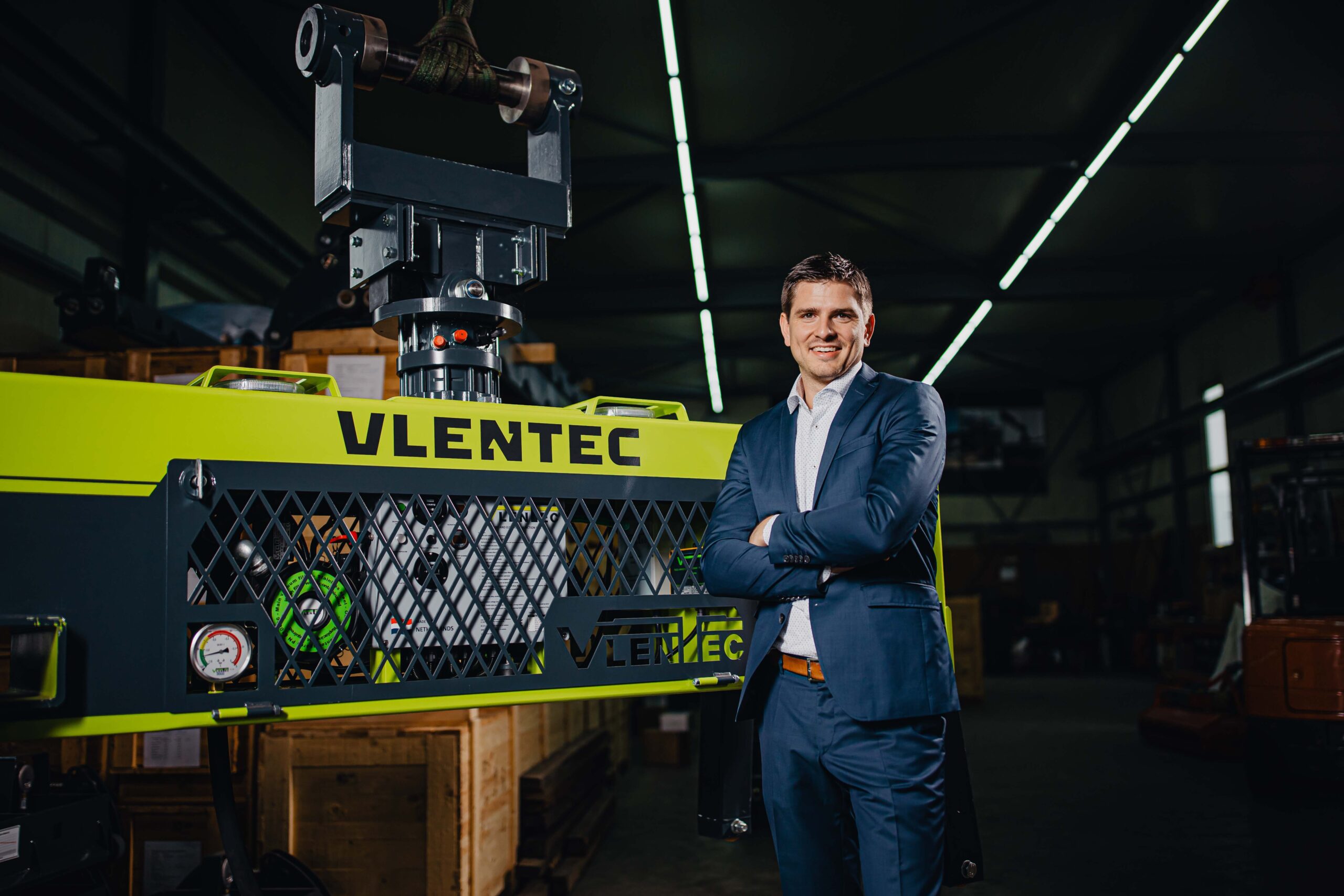
The ROI of vacuum technology: faster, safer, cheaper
In the world of material handling, the transition from traditional mechanical lifting methods to advanced vacuum technology is often viewed as a significant investment. However, when evaluating the long-term financial health of a project, the initial purchase price is only one part of the equation. To understand the true value of a vacuum lifter, one must look at the return on investment (ROI) through the lens of operational speed, labor optimization, and risk mitigation.
For decades, industries such as pipeline construction, steel fabrication, and concrete manufacturing have relied on slings, chains, and manual clamps. While these methods are familiar, they are inherently limited by human physical capacity and the necessity for manual intervention. Vacuum lifting changes this paradigm by utilizing atmospheric pressure to secure and move heavy loads with surgical precision.
The speed advantage: accelerating project timelines
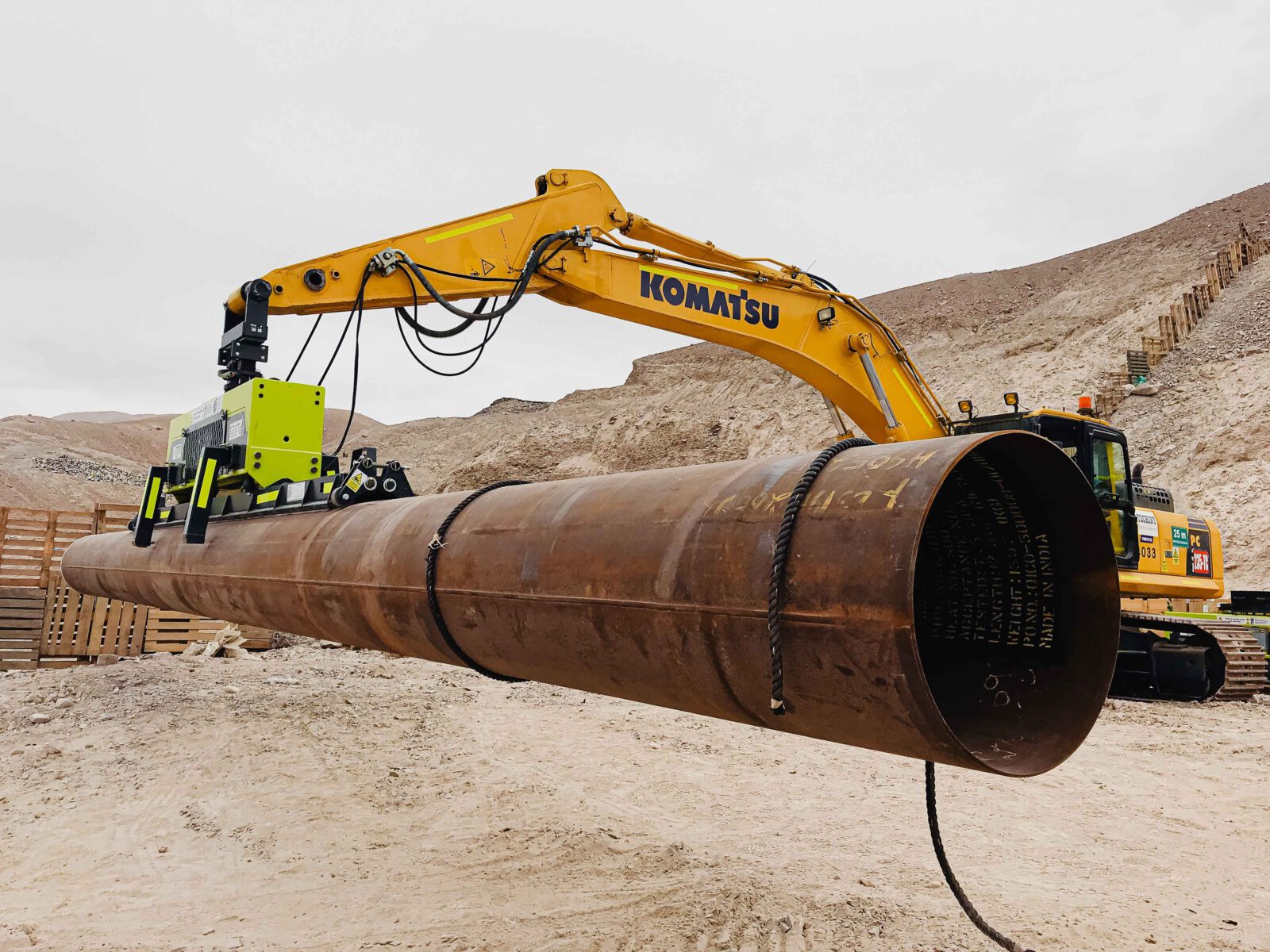
The most immediate impact of implementing a vacuum lifter is the dramatic increase in cycle speed. Field data suggests that vacuum lifting systems can be 8 to 12 times faster than traditional rigging methods. In a standard pipe-laying operation, for example, a traditional crew must manually attach hooks or wrap slings around each joint. This process requires workers to climb onto trucks or enter trenches, adding minutes to every single lift.
A vacuum lifter eliminates these steps. The operator of the excavator or crane can pick up a load in seconds without needing a ground crew to manually secure it. When you multiply this time saving by hundreds or thousands of lifts per project, the impact on the timeline is monumental. Completing a project weeks ahead of schedule not only frees up equipment for the next contract but also significantly reduces the daily overhead costs associated with site management and machinery rental.
Labor optimization and reduction in manpower
Labor is typically the highest variable cost in any construction or industrial project. Traditional lifting methods are labor intensive, often requiring a minimum of two to three ground workers to manage slings and guide the load. By contrast, vacuum lifting is a one-person operation controlled directly from the cabin of the host machine.
The reduction in required manpower allows companies to reallocate skilled labor to more complex tasks that require human judgment rather than repetitive physical movement. In an era where skilled labor shortages are a global challenge, the ability to do more with fewer people is a massive competitive advantage. From an ROI perspective, saving the salary, insurance, and administrative costs of two ground workers over the course of a year can often cover the entire cost of the vacuum lifting unit.
Safety as a Financial Driver
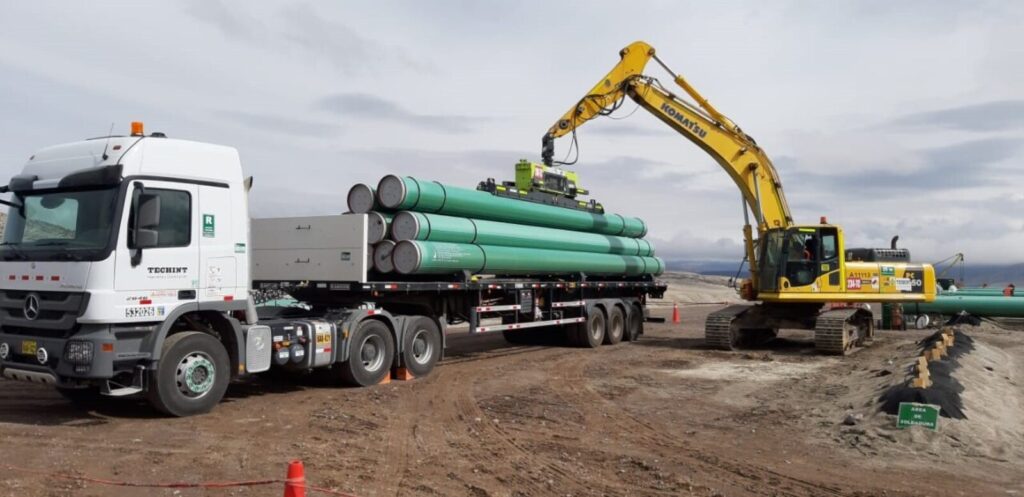
While safety is often categorized as an ethical or regulatory concern, it has a direct and profound impact on ROI. Traditional lifting is high risk. Workers are frequently positioned in the red zone near heavy suspended loads. Accidents lead to project delays, astronomical insurance premiums, legal fees, and potential regulatory penalties.
Vacuum lifting creates a safer environment by removing personnel from the immediate vicinity of the load. Vlentec systems are engineered with fail-safe mechanisms such as large vacuum reservoirs and audible warning systems. Even in the event of a power failure, the tank holds the vacuum long enough to safely lower the load. By minimizing the frequency and severity of workplace incidents, companies protect their bottom line from the hidden costs of accidents.
Protecting the Asset: Zero Damage Lifting
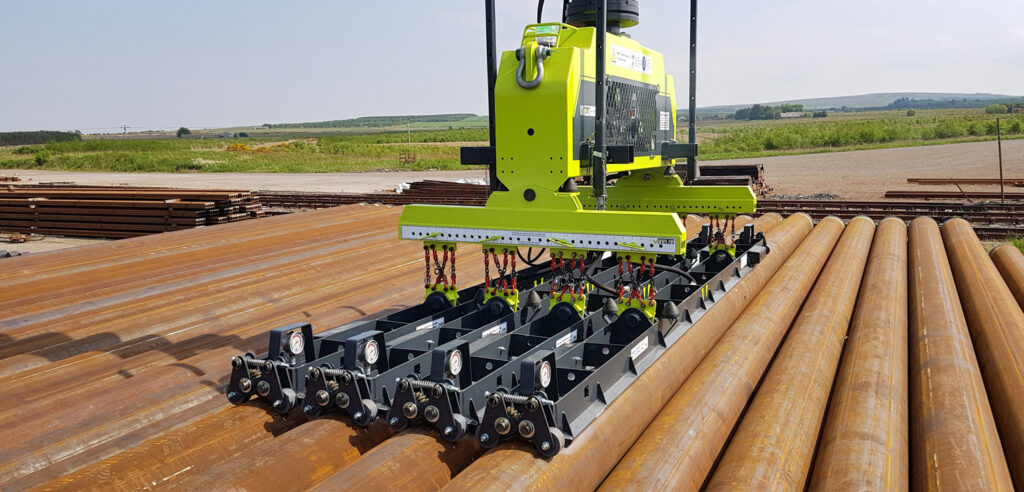
In industries like oil and gas, the integrity of pipe coatings is paramount. Traditional metal hooks and chains often cause abrasions or dents in protective layers, leading to expensive repairs or even the rejection of materials. Repairing a damaged coating on site is a slow, costly process that halts production.
The suction pads of a vacuum lifter are designed to distribute the lifting force evenly across a large surface area. This surface-friendly method ensures that even delicate coatings remain pristine. The elimination of rework costs and material waste contributes directly to a faster ROI. When the product is delivered in perfect condition every time, the profitability of the project remains intact.
Calculating the Bottom Line
To quantify the ROI, consider a hypothetical 12-month pipeline project where the transition to vacuum technology reduces the crew size and increases installation speed by approximately 30 percent. The financial impact of these changes is felt across every stage of the operation.
The most immediate benefit is found in labor costs, where the reduction of two ground workers per shift leads to significant savings on annual salaries, taxes, and benefits. Furthermore, because projects are completed 30 percent faster, companies see a drastic reduction in rental fees for heavy machinery like excavators and cranes. Material integrity also plays a major role. By using integrity-preserving suction pads, the costs related to coating repairs and rejected pipes are entirely eliminated.
Beyond these direct savings, risk management becomes a profit driver. Removing personnel from the red zone leads to lower insurance premiums and avoids the massive expenses associated with workplace accidents. Finally, the use of high-efficiency electric or diesel units ensures lower daily energy costs compared to the fuel consumption of heavy rigging setups. In most high-volume environments, these combined factors ensure that the payback period for a high-quality vacuum lifter is less than one year.
Conclusion
Investing in vacuum lifting technology is not merely about buying a tool. It is about adopting a more profitable business model. The combination of an 8 to 12-fold increase in speed and the significant reduction in manual labor creates a compelling financial case. By prioritizing safety, protecting valuable assets, and streamlining operations, companies can achieve a level of productivity that traditional methods simply cannot match. For any organization looking to scale their operations and improve their margins, the transition to vacuum lifting is a strategic necessity that pays for itself many times over.
