
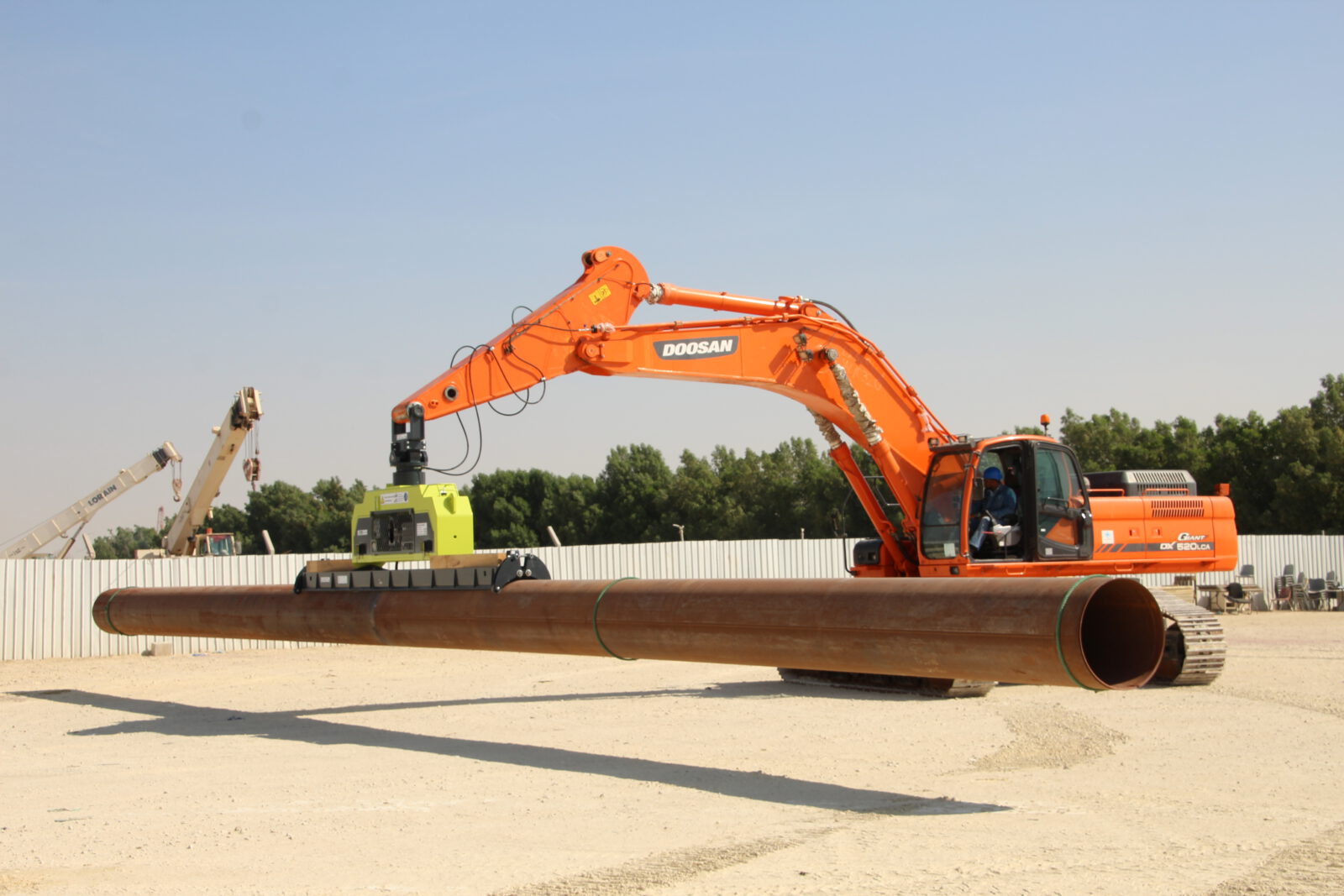
Value of Vacuum Lifting in the Aramco Environment
In the global landscape of energy production and infrastructure development, few companies have as much influence on engineering practices as Saudi Aramco. As the world’s largest integrated energy and chemicals company, the scale and complexity of its projects often shape the standards used throughout the oil and gas industry.
One of the technologies increasingly adopted in these demanding environments is vacuum lifting. Designed to handle heavy materials safely and efficiently, vacuum lifting systems are becoming an important alternative to traditional rigging methods. Companies such as Vlentec specialize in this technology, offering solutions that align with the growing focus on safety, efficiency, and automation in large-scale infrastructure projects.
The increasing presence of vacuum lifting in the Middle East reflects a broader industry shift toward safer and more controlled lifting operations.

The Demands of Energy Infrastructure Projects
Projects in the oil and gas sector are among the most technically demanding in the world. Companies like Saudi Aramco operate in environments where equipment must perform reliably under extreme conditions, including high temperatures, dust exposure, and continuous heavy-duty operations.
In such environments, lifting equipment must meet strict operational and safety requirements. Heavy materials such as steel pipes, plates, and infrastructure components must be handled with precision and reliability to avoid damage, downtime, or safety risks.
Vacuum lifting technology offers a solution that reduces many of the risks associated with conventional lifting methods.
Moving Away from Traditional Rigging
Historically, heavy materials in pipeline and construction projects have been handled using mechanical tools such as slings, hooks, and chains. While effective, these methods require workers to be physically close to the load in order to attach rigging.
This area around a suspended load often referred to as the “red zone” is where many industrial accidents occur.
Vacuum lifting significantly reduces this risk. Instead of attaching mechanical rigging, the load is secured using atmospheric pressure through large suction pads. The operator controls the entire lifting process from the machine cabin, reducing the need for workers to be near the load.
This shift supports the industry’s ongoing effort to minimize human exposure to hazardous lifting operations.
Technology Built for Reliability
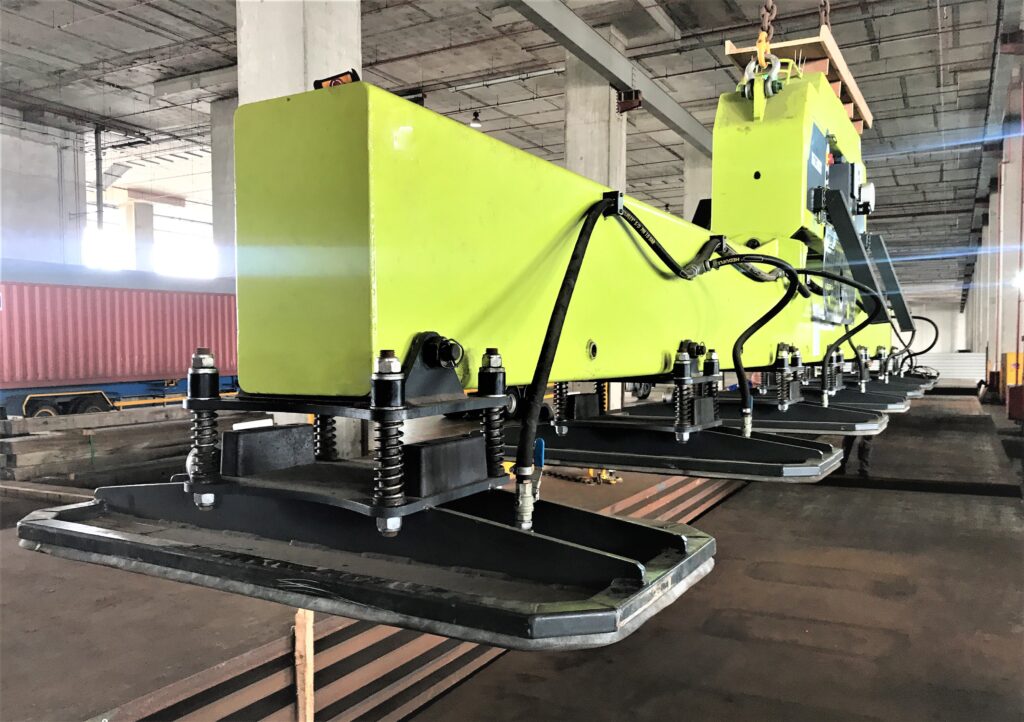
Modern vacuum lifting systems are designed with multiple safety mechanisms to ensure reliability during operation. These systems typically include redundant vacuum circuits, monitoring systems, and large vacuum reservoirs that maintain holding force even if the power supply is interrupted.
Visual and audible warning systems alert operators if vacuum levels change, ensuring that safety remains a central part of the lifting process.
For companies working in demanding environments such as large-scale oil and gas developments, this level of built-in safety provides confidence during critical lifting operations.
Growing Adoption in the Middle East
The Middle East has become one of the fastest-growing markets for advanced lifting technologies. As large energy and infrastructure projects continue to expand across the region, contractors are increasingly looking for solutions that improve both safety and productivity.
Vacuum lifting fits well within this shift. The technology allows operators to handle pipes, plates, and construction components faster while reducing the risk of surface damage or coating defects.
For specialized manufacturers like Vlentec, this trend has led to increased interest in vacuum lifting solutions across the region, particularly in projects connected to energy infrastructure development.
Efficiency and Asset Protection
Beyond safety, vacuum lifting offers operational advantages that can significantly impact project timelines. Because loads can be picked up quickly without manual rigging, vacuum lifters can dramatically reduce handling time compared to traditional crane setups.
Another key benefit is the protection of the material itself. High-grade steel pipes used in energy projects often have specialized coatings designed to prevent corrosion. Traditional hooks and chains can damage these coatings, leading to costly repairs.
Vacuum lifting systems distribute the load evenly across suction pads, reducing the risk of damage and helping contractors maintain both schedules and quality standards.
The Future of Heavy Lifting
As the energy and construction sectors continue to prioritize safety, automation, and efficiency, lifting technologies are evolving alongside them. Vacuum lifting is increasingly recognized as a practical solution for handling heavy materials in a controlled and reliable way.
For companies like Vlentec, this shift represents an opportunity to support projects that require safe and efficient material handling—particularly in demanding regions such as the Middle East.
By combining engineering expertise with advanced vacuum technology, manufacturers in this field are helping shape the future of heavy lifting in modern infrastructure projects.
